Section 13.2
Belt Noise
Excessive belt noise can mean changing the belt drive tensioner or idler pulley or the poly-V belts. First inspect the belt drive tensioner system for wear and tear.
Section 13.2.1
Inspection of the Belt Drive Tensioner System
Check as follows:
- Inspect the belt contacts surface for chips, flaking, cracks and discoloration.
ABRASION
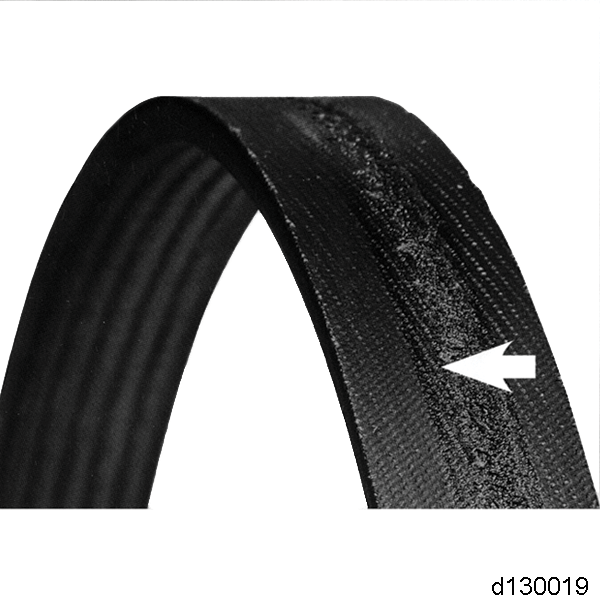
CHUNK-OUT
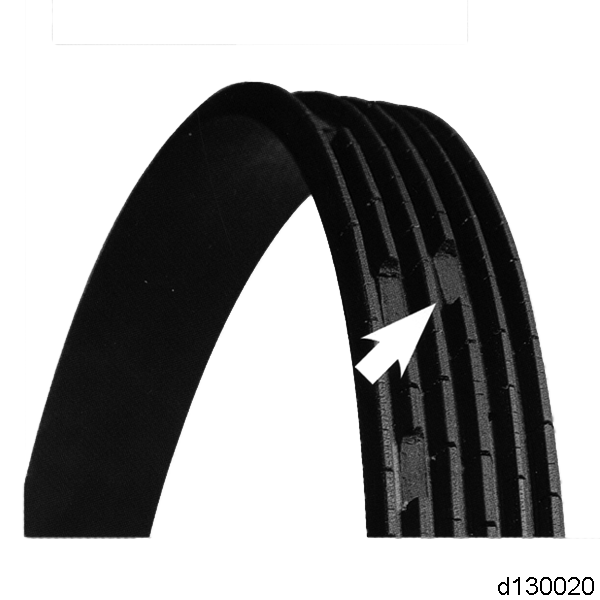
IMPROPER INSTALL
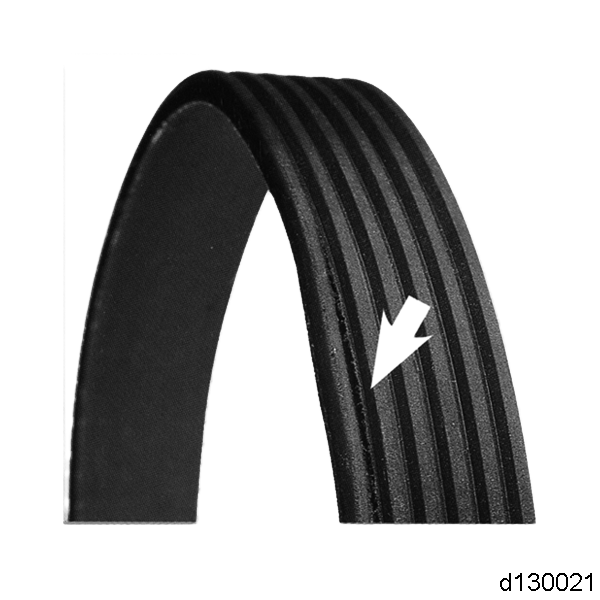
CRACKING
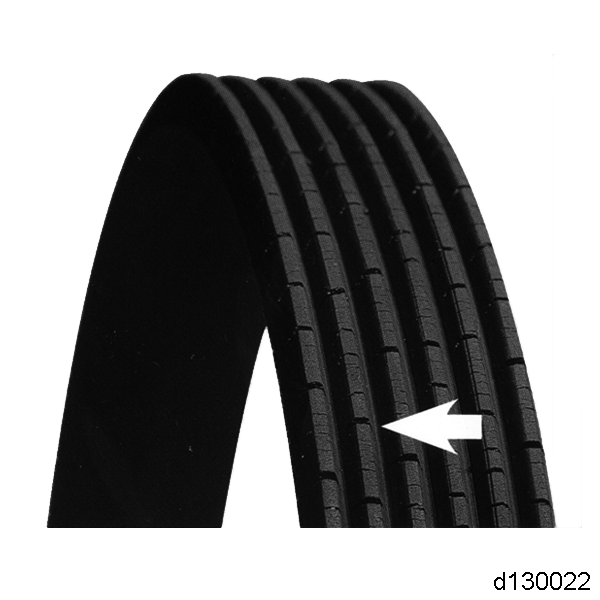
PILLING
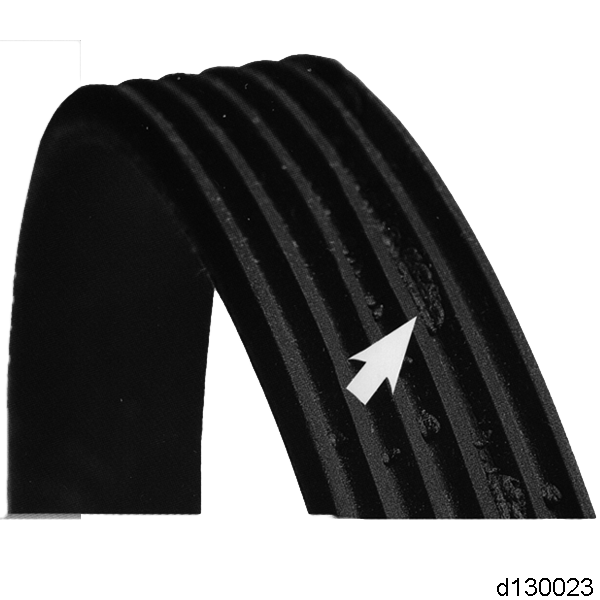
UNEVEN RIB WEAR
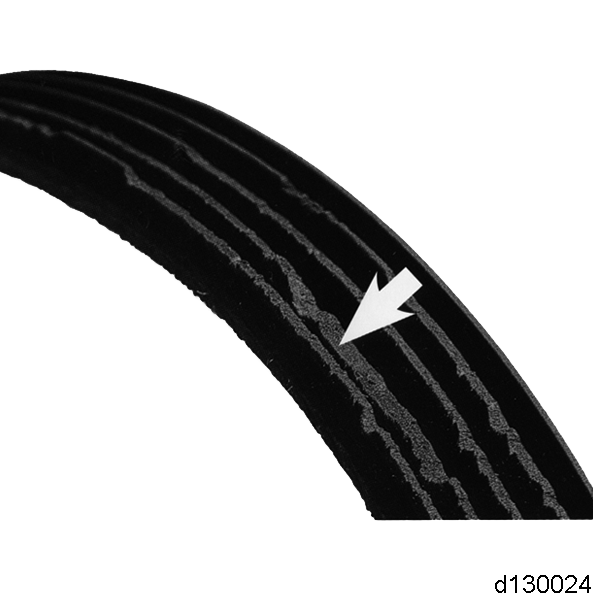
MISALIGNMENT
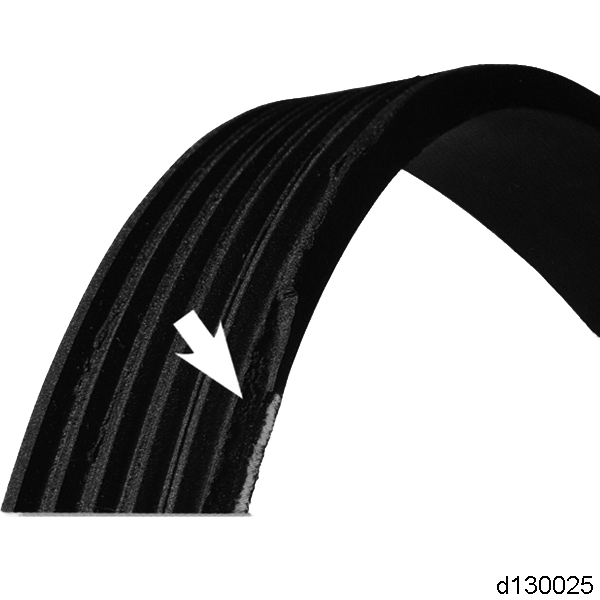
GRAVEL PENETRATION
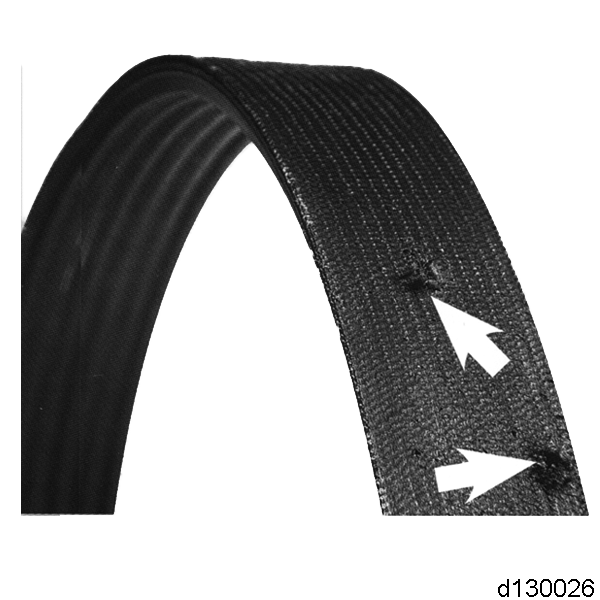
- Inspect the bearings by rotating the pulleys to look for bearing slop or choppy feeling bearings.
- Inspect the springs on the tensioner. If the rubber is damaged or if the spring is damaged, change the assembly.
- Inspect the pulleys for damage and excessive wear. If pulleys or the belts are damaged, change the damaged pulley and the belt.
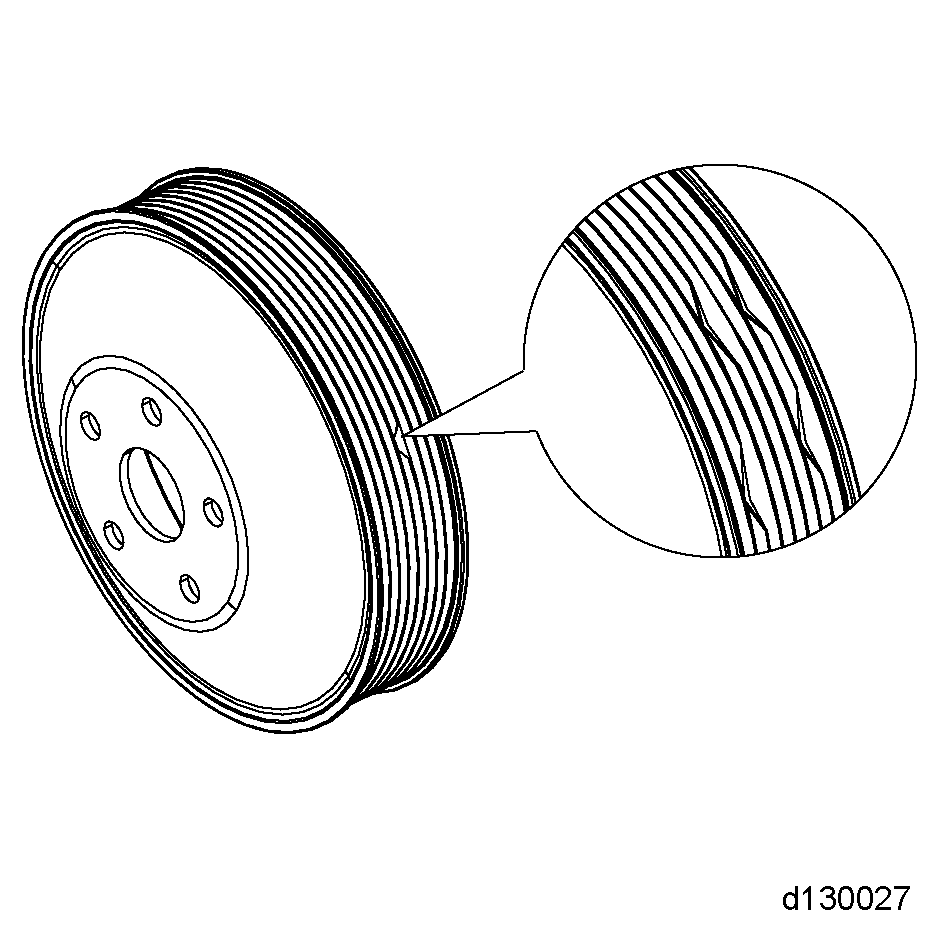
- Check the belt wear pattern on all idler pulleys.
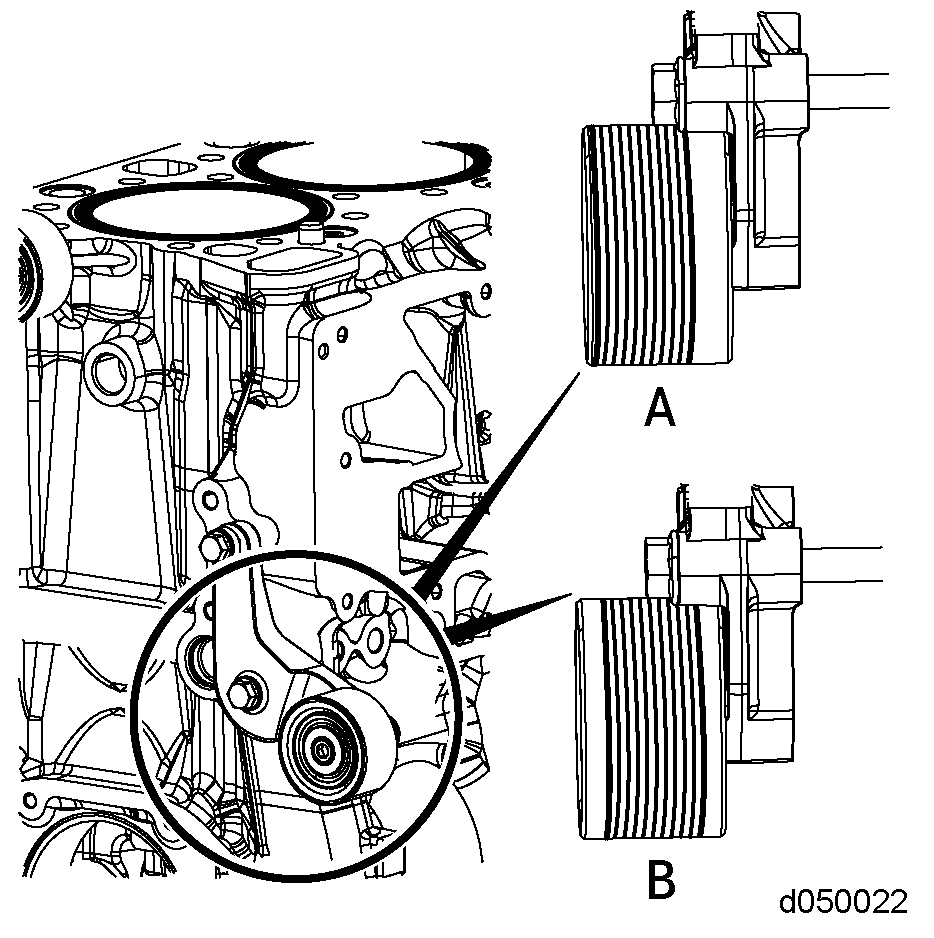
- If the belt wear pattern is incorrect (A), change the pulley and bracket assembly.
- If the belt wear pattern is correct (B), the idler and bracket can be reused.
| EPA07 DD15 Troubleshooting Guide - DDC-SVC-MAN-0029 |
| Generated on 10-13-2008 |